
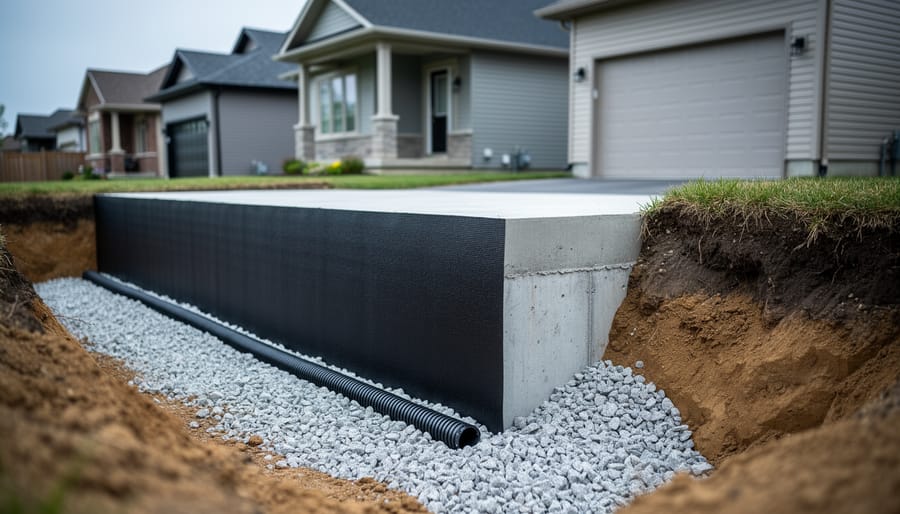
Foundation and basement waterproofing protects your home from moisture damage by creating barriers that prevent water from entering through walls, floors, and foundation joints. For Ottawa homeowners, this isn’t optional maintenance. Our city’s freeze-thaw cycles, heavy spring runoff from snowmelt, and clay-rich soil create the perfect storm for foundation stress and water infiltration.
The most effective approach combines exterior waterproofing (excavating around the foundation to apply membrane systems and install weeping tiles) with interior drainage solutions (sump pumps, vapour barriers, and floor drains). While exterior methods cost more upfront, typically ranging from $8,000 to $15,000 for an average Ottawa home, they address the root cause by stopping water before it reaches your foundation. Interior waterproofing, usually $3,000 to $6,000, manages water that’s already penetrated.
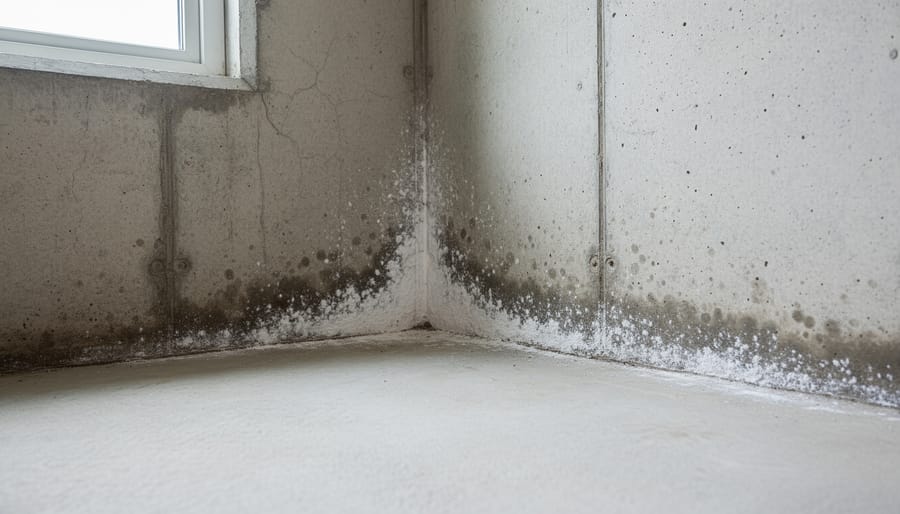
Most homeowners discover they need waterproofing after spotting telltale signs: musty odours, efflorescence (white mineral deposits on walls), visible cracks, or actual pooling water. But waiting for symptoms means the damage has already begun. Ottawa’s older neighbourhoods, particularly homes built before modern building codes required proper drainage systems, face higher risk.
The decision between DIY patches and professional waterproofing comes down to severity. Hairline cracks and minor seepage might respond to sealants, but active leaks, horizontal cracks wider than a quarter-inch, or recurring moisture demand expert assessment. Understanding your options, what drives pricing, and how to evaluate contractors ensures you protect what’s likely your largest investment without overspending on unnecessary work.
Why Foundation and Basement Waterproofing Matters in Ottawa
Ottawa’s unique geography and climate create a perfect storm for foundation water problems. The city sits on a thick layer of Leda clay, a dense, glacial-era soil that expands when wet and contracts when dry. This constant movement puts immense pressure on foundation walls and creates pathways for water to migrate toward your basement. Unlike sandy or well-draining soils, clay holds water like a sponge, meaning every rainfall adds to the hydrostatic pressure pushing against your home’s foundation.
The seasonal temperature swings make matters worse. Ottawa experiences some of the most dramatic freeze-thaw cycles in Canada, with winter temperatures plunging to -30°C and summer highs reaching 30°C. When water seeps into foundation cracks and freezes, it expands with tremendous force, widening those cracks and creating new vulnerabilities. Come spring, the cycle reverses: accumulated snow melts rapidly, often while the ground remains frozen, preventing proper drainage and directing massive volumes of water straight toward foundation walls.
Spring runoff presents its own challenge. The average Ottawa home faces weeks of sustained moisture pressure as snowbanks melt and April showers arrive. Add poor lot grading or clogged eavestroughs, and you’ve got water pooling against your foundation exactly when the saturated clay soil can’t absorb another drop. This combination of clay composition, extreme temperatures, and seasonal water surges means Ottawa basements face infiltration risks that homeowners in milder, better-drained regions simply don’t encounter. Without proper waterproofing, it’s not a question of if water will find its way in, but when.
Signs Your Foundation Needs Waterproofing
Water doesn’t always announce its arrival with dramatic pooling or flooding. Often, the early warning signs of foundation problems appear as subtle changes that homeowners overlook until damage becomes severe.
The most obvious indicator is visible water in your basement. Puddles after rainfall, damp spots on basement floors, or water stains on walls signal active infiltration. But relying solely on standing water means you’re missing earlier warnings.
Musty odours provide one of the clearest early alerts. That distinctive damp basement smell indicates elevated moisture levels even when surfaces appear dry. If your basement smells earthy or mouldy, water is penetrating your foundation or entering through cracks you can’t yet see.
Efflorescence, those white, chalky deposits on concrete walls, tells you water is moving through your foundation. As water evaporates from the surface, it leaves behind mineral salts. These powdery streaks aren’t just cosmetic; they confirm moisture is migrating through porous concrete.
Cracks deserve immediate attention, though not all signal the same urgency. Hairline vertical cracks under 1/8 inch wide typically result from concrete settling and pose minimal risk. Horizontal cracks, stair-step patterns in block walls, or widening vertical cracks indicate structural movement and create pathways for water entry.
Watch for bowing or leaning walls, particularly in older basements. Hydrostatic pressure from saturated soil pushes against foundation walls, causing inward displacement. Even slight bowing suggests serious water pressure issues outside your foundation.
Peeling paint or damaged drywall in finished basements often masks moisture problems. Paint doesn’t peel on dry walls. If basement finishes deteriorate without an obvious cause, investigate what’s happening behind them.
Increased pest activity, particularly carpenter ants or millipedes, can indicate moisture problems. These insects thrive in damp environments and often find their way into basements with water issues.
Don’t wait for dramatic flooding to address foundation waterproofing. These early indicators give you the opportunity to intervene before minor moisture becomes major damage.
Foundation Waterproofing Methods: Interior vs. Exterior
Exterior Foundation Waterproofing
Exterior foundation waterproofing tackles moisture intrusion at the source, before water ever reaches your basement walls. This approach requires excavating around your home’s perimeter down to the foundation footings, a significant undertaking that makes it the most comprehensive but also most disruptive waterproofing method available.
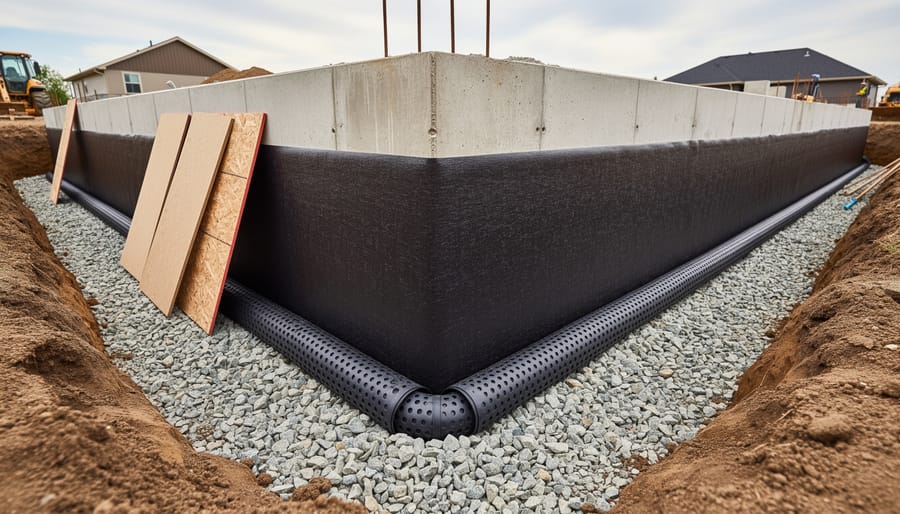
Once excavated, contractors thoroughly clean the foundation walls and inspect for cracks or structural issues that need repair. They then apply a rubberized or polymer-modified membrane directly to the exterior wall surface, creating a continuous moisture barrier that prevents water from penetrating the concrete. Some systems use spray-applied membranes, while others employ rolled sheets with sealed seams.
The excavation also allows installation or replacement of weeping tiles (perforated drainage pipes) along the foundation’s base. These collect groundwater and channel it away from your foundation to a storm sewer connection or drainage field, preventing hydrostatic pressure buildup against basement walls. Proper backfilling with gravel around the weeping tiles ensures adequate drainage and prevents clogging.
Why is exterior waterproofing considered the gold standard? It addresses water before it contacts your foundation, rather than managing it after infiltration begins. The membrane remains accessible for inspection if issues arise, and the system protects your foundation’s structural integrity long-term. While costlier upfront than interior solutions, exterior waterproofing provides superior protection against Ottawa’s challenging freeze-thaw cycles and prevents the moisture-related foundation deterioration that interior-only approaches cannot stop.
For new construction or homes requiring extensive foundation repairs, exterior waterproofing delivers unmatched long-term value.
Interior Basement Waterproofing Solutions
Interior basement waterproofing tackles moisture from the inside of your home, making it the go-to choice when excavation isn’t feasible or budget constraints matter. This approach works particularly well in older Ottawa neighbourhoods where mature landscaping, tight lot lines, or shared driveways make digging around the foundation impractical.
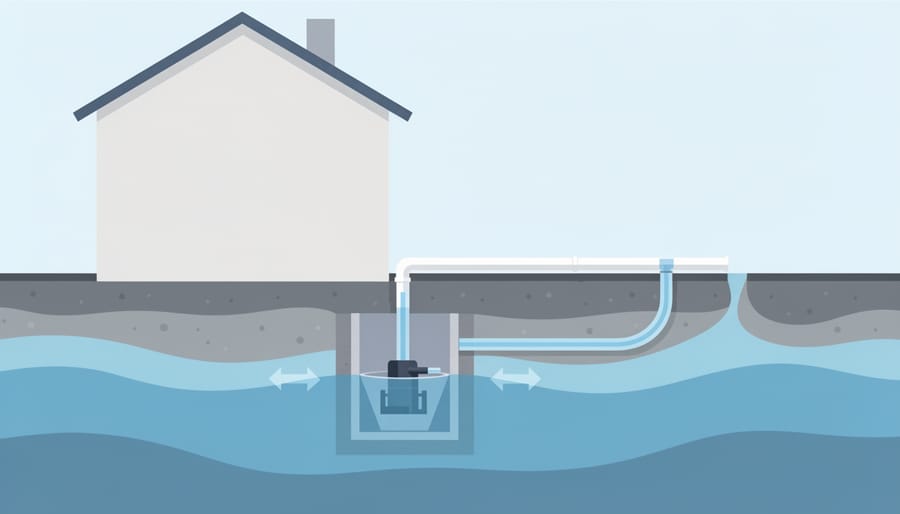
The backbone of most interior systems is a perimeter drainage channel installed along the basement floor’s edge. Contractors cut a narrow trench into the concrete, insert perforated drainage pipe, and connect it to a sump pit where a pump actively removes collected water. This redirects hydrostatic pressure before it pushes through your walls.
Sump pumps themselves come in two varieties: pedestal models that sit above the pit, and submersible units housed inside it. Ottawa homeowners should consider battery backup systems given our occasional power outages during severe weather, exactly when you need the pump working most.
Interior sealants and epoxy injections can address minor foundation cracks and porous concrete, though they’re best viewed as supplements rather than standalone solutions. These coatings stop seepage through the wall surface but don’t resolve underlying water pressure issues.
The trade-off with interior waterproofing is clear: you’re managing water after it reaches the foundation rather than preventing contact entirely. Yet for homes already built and occupied, interior solutions offer effective protection without the disruption and expense of full excavation, often at half the cost of exterior work.
Essential Components of a Complete Waterproofing System
A truly effective waterproofing system isn’t a single solution, it’s several components working in harmony to keep water away from your foundation. Understanding how these elements function together helps you evaluate contractor proposals and ensures nothing critical gets overlooked.
Foundation Coatings and Membranes
The foundation wall itself needs a protective barrier. Rubberized asphalt or polymer-modified coatings create a waterproof seal on exterior walls, preventing moisture penetration through porous concrete. Modern spray-applied membranes offer seamless coverage, while sheet membranes provide thick, durable protection. These coatings work best when applied to clean, properly prepared walls during exterior waterproofing projects.
Weeping Tile Systems
Weeping tiles (perforated drainage pipes) collect groundwater before it reaches your foundation. Installed at the footing level and surrounded by clean gravel, these pipes channel water away from the structure. In Ottawa’s clay-heavy soil, proper weeping tile installation is essential, clay doesn’t drain naturally, so water needs a clear exit path. The system should slope toward a discharge point, whether that’s a municipal storm sewer connection, daylight drainage, or a sump pump basin.
Sump Pump Installation
Where gravity drainage isn’t possible, a sump pump becomes your water removal workhorse. The pump sits in a gravel-filled pit that collects water from interior weeping tiles or the surrounding soil. Quality installations include a backup pump (battery-powered for power outages) and proper discharge routing that carries water well away from the foundation, typically 10 to 15 feet minimum. Regular maintenance keeps pumps reliable when spring runoff or heavy rains hit.
Grading and Surface Water Management
The ground surrounding your home should slope away at roughly six inches over the first 10 feet. Proper grading directs rainwater and snowmelt away from the foundation before it can infiltrate. This simple element often gets neglected but prevents thousands of gallons from ever reaching your basement. Downspout extensions (at least six feet from the foundation) complete the surface water control strategy.
How Components Work Together
These elements create layered protection: grading and downspouts handle surface water, exterior membranes block moisture at the wall, weeping tiles collect groundwater, and sump pumps evacuate what the drainage system gathers. When one component fails or is missing, the others compensate, but complete protection requires all pieces functioning properly.
What to Expect: The Foundation Waterproofing Process
Understanding what happens during a foundation waterproofing project helps Ottawa homeowners prepare for the work ahead and set realistic expectations. Professional waterproofing follows a structured sequence designed to protect your home while minimizing disruption.
The process begins with a thorough property assessment. A qualified contractor examines your foundation both inside and out, checking for cracks, moisture patterns, soil grading, and existing drainage. They’ll probe the ground to locate weeping tiles and identify problem areas. This inspection typically takes one to two hours and results in a detailed plan specific to your home’s needs.
Once you approve the scope of work, the actual waterproofing unfolds in distinct phases:
- Site preparation and excavation around the foundation perimeter, exposing walls to the footer level
- Cleaning and repairing the foundation surface, patching cracks and damaged areas
- Application of waterproof membrane or coating to create a moisture barrier
- Installation or replacement of weeping tiles and drainage board along the footer
- Backfilling with proper drainage materials, typically clear stone near the foundation
- Restoration of landscaping, walkways, and any disturbed surfaces
For exterior waterproofing, expect excavation equipment on your property for three to five days, depending on foundation size and soil conditions. Contractors typically work one or two sides at a time to maintain structural stability. The noise level resembles typical construction, manageable but noticeable during working hours.
Interior waterproofing causes less outdoor disruption but requires access to your basement. Contractors remove sections of concrete floor to install drainage channels and sump systems, creating dust and temporary storage challenges. Most interior projects wrap up within two to three days.
Throughout the process, reputable contractors protect your property with barriers, communicate daily progress, and address concerns as they arise. Weather delays can extend timelines, particularly during Ottawa’s unpredictable spring season when ground conditions fluctuate.
Choosing the Right Waterproofing Contractor in Ottawa
Finding a contractor who’ll do foundation and basement waterproofing right matters as much as choosing the method itself. Start by verifying they’re licensed and insured for excavation and foundation work in Ontario, liability coverage protects you if something goes wrong during the dig. Ask for local references from projects completed in the past two years, and actually call them. A reputable contractor won’t hesitate to share recent customer contacts.
When interviewing contractors, ask specific questions: How do they handle Ottawa’s clay soil during excavation? What membrane brands do they use? How do they ensure proper drainage tie-in with existing systems? Their answers reveal whether they understand local conditions or just follow a generic script. Request a detailed written estimate that breaks down materials, labour, and timeline rather than a single lump sum.
Red flags include pressure to sign immediately, unusually low bids that undercut competitors by 30% or more, cash-only payment demands, or vague warranties. Speaking of warranties, examine them closely. Quality foundation waterproofing should come with a transferable 20-year minimum warranty covering both materials and workmanship, not just the membrane itself.
Check the Better Business Bureau and online reviews, but read beyond star ratings. Look for how contractors respond to complaints and whether issues were resolved. In Ottawa’s tight-knit contractor community, a solid reputation built over years speaks louder than the fanciest website.
Investment and Long-Term Value
Foundation and basement waterproofing in Ottawa typically costs between $3,000 and $15,000, depending on the scope of work required. Interior solutions like sump pump installation and drainage systems generally fall at the lower end of this range, while comprehensive exterior excavation and membrane application can reach or exceed the upper limit. Several factors influence the final price: the extent of damage, accessibility of your foundation, soil conditions, and whether you need partial or full-perimeter work.
The size of your home matters significantly. A small bungalow might need only one or two walls addressed, while a larger two-storey home with a full basement perimeter can double or triple the project cost. Additional elements like grading corrections, downspout extensions, or window well installation add to the investment but strengthen your overall water management system.
Many Ottawa contractors offer financing plans or seasonal promotions, particularly during slower winter months. Some homeowners use home equity lines of credit to fund larger projects, spreading the cost over time while immediately protecting their property.
The return on this investment extends far beyond preventing water damage. Unaddressed foundation problems can lead to structural repairs costing tens of thousands of dollars, mould remediation, flooded basement cleanup, and destroyed belongings. Proper foundation and basement waterproofing preserves your home’s structural integrity and maintains resale value in Ottawa’s competitive real estate market, where buyers increasingly request pre-purchase inspections that flag moisture issues. A dry, protected basement also creates usable living space rather than wasted square footage you cannot safely finish or store items in. Prevention costs a fraction of repair, making waterproofing one of the smartest investments Ottawa homeowners can make.
Foundation and basement waterproofing isn’t something Ottawa homeowners can afford to put off until water appears in their basement. By then, the damage has already begun, compromising your foundation’s integrity, threatening your home’s structural stability, and setting the stage for expensive repairs that far exceed the cost of prevention.
Ottawa’s climate makes this particularly urgent. Our freeze-thaw cycles, clay soils, and spring melt create relentless pressure on foundations. Every season without proper waterproofing is another opportunity for water to find its way through vulnerable points in your home’s envelope.
The good news? You now understand the warning signs to watch for, the waterproofing methods available, and how to choose qualified professionals who can protect your investment. Whether you’ve noticed the early indicators of foundation vulnerability or you’re simply being proactive, taking action now prevents the cascade of problems that water infiltration triggers.
Walk around your home this weekend. Check for the signs we’ve discussed. Look at your grading, inspect your foundation walls, and consider when your home last had comprehensive waterproofing attention. If you spot concerns or your home has never been properly waterproofed, don’t wait for the next heavy rain to make the decision for you.